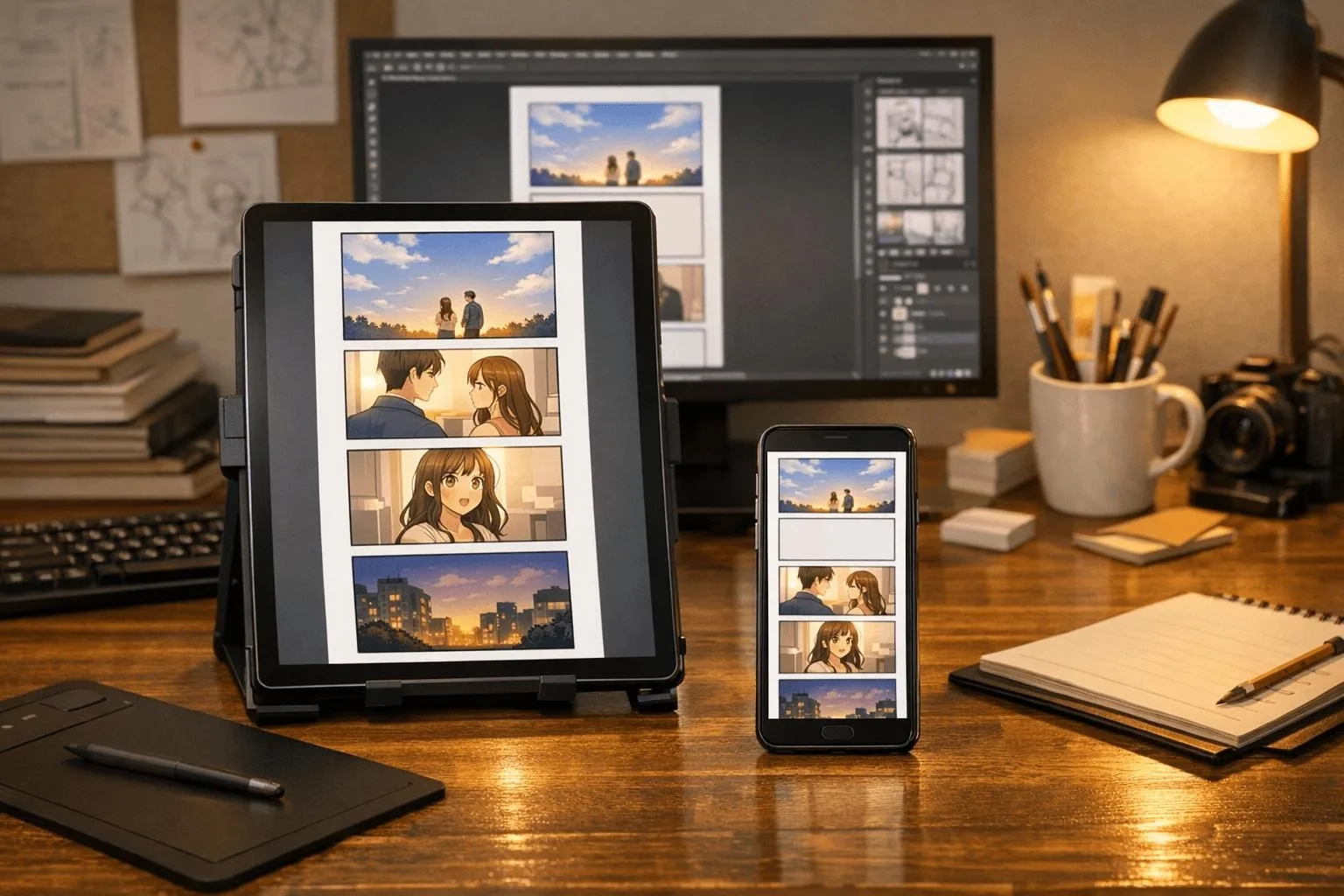
Searching for TempleScan can lead to several different websites and online discussions. The name is commonly associated with digital comic reading and fan translation communities, particularly those involving Korean manhwa. However, not every website using the TempleScan or Temple Scan name necessarily belongs to the same operator, offers the same content, or follows the same publishing arrangements. This makes it important to understand what the name refers to before relying on a particular website.
TempleScan is also connected to a wider online reading culture in which fans look for translated comics, follow chapter updates, and discover stories from different countries. These communities can make international comics easier to discover, but they also raise questions about copyright, website security, translation quality, and the rights of original creators. A website offering free chapters does not automatically mean that the material is officially licensed or that the service is safe.
In this guide, we explain what TempleScan is associated with, how scanlation communities work, why different websites use similar names, and what readers should check before visiting an unfamiliar destination. We also compare established digital comic platforms and answer common questions about TempleScan, including its safety, mobile access, and legal alternatives.
What Is TempleScan?
TempleScan is a name associated with online comic-reading communities and translated digital comics, particularly manhwa. The term Temple Scan has appeared in connection with fan translation groups and websites where readers look for comic chapters in languages they understand. However, the name should not be treated as the verified identity of one company operating every website that uses similar branding.
One reason for this confusion is that different online destinations describe themselves differently. Some focus on Korean manhwa, while another TempleScan-branded website describes its catalogue as Chinese cultivation manhua. Other websites using similar wording may publish unrelated educational material or digital resources. Therefore, the exact website matters more than the name alone when researching the subject.
A community-maintained directory has also associated the Temple Scan name with a reading destination called TempleToons. This provides a visible connection between a community identity and a comic-reading destination, but it does not establish common ownership of every similarly named website. Readers should distinguish between a public association, a website’s own description, and independently verified information about its operator.
The simplest explanation is that TempleScan is a name linked to parts of the online comic and fan-translation ecosystem. Its precise meaning depends on the specific service, community, or domain being discussed. Anyone searching for it should confirm the destination before assuming that its content, ownership, pricing, or safety information applies to every other website with a similar name.
What Does Scanlation Mean?
The word scanlation combines two terms: scanning and translation. It originally described the process of scanning printed comics, translating their dialogue into another language, and editing the pages so readers could understand the story. Modern digital comics may not require the same physical scanning process, but translation, image editing, lettering, and proofreading can still be part of fan-produced releases.
Scanlation communities developed partly because readers in different countries did not always have access to official translations. A popular comic might be available in its original language while an authorised edition in another language had not yet been published. Volunteer groups sometimes attempted to bridge this gap by translating material and sharing it with other fans.
A typical scanlation project can involve several tasks:
- Translation: Converting dialogue, narration, and written expressions into another language.
- Proofreading: Checking grammar, spelling, names, and consistency.
- Cleaning: Removing original lettering from selected parts of the artwork.
- Typesetting: Placing translated dialogue inside speech bubbles or other suitable areas.
- Quality checking: Reviewing the finished pages for readability and visual problems.
- Publication: Making the translated material available through a website or community channel.
These tasks require time and creative effort, particularly when a comic contains cultural references, jokes, specialised terminology, or complex dialogue. A good translation should communicate the intended meaning rather than simply replace each original word with a dictionary equivalent. However, the quality and accuracy of fan translations can vary between groups and individual projects.
It is also important to understand that scanlation is a description of a translation process, not proof of publishing permission. Translating a copyrighted comic and distributing the resulting version may require authorisation from the relevant rights holders. Volunteer involvement or free access does not automatically remove copyright obligations.
Why Are There Different Websites Using the TempleScan Name?
One of the most important things to understand about TempleScan is that similar names do not establish a shared organisation. Search results can show different domains, catalogues, and descriptions that appear related because they use the same or similar wording. Without reliable evidence connecting their operators, readers should avoid treating them as one official service.
For example, TempleToons appears in connection with the Temple Scan community through publicly visible references. Separately, templescan.my describes itself as a platform focused on Chinese cultivation manhua and claims to be the official TempleScan website. That statement is a claim made by the website itself; it does not independently establish a relationship with every other Temple Scan community or domain.
There is also a website using the name TempleScan that describes its purpose as educational content about Canva, CV creation, design, and digital productivity. This is a different subject from manhwa reading and illustrates why checking the actual website is essential. A search result containing the word TempleScan is not enough to identify the service a reader intended to find.
| Name or destination | Publicly visible description | Important distinction |
|---|---|---|
| Temple Scan community | Associated with fan translation and comic-reading references | Does not prove ownership of every similar website |
| TempleToons | Online comic-reading destination | Public association does not establish a complete corporate relationship |
| templescan.my | Describes a Chinese cultivation manhua reading service | Its official-status statement is self-published |
| templescan.site | Describes educational and digital productivity resources | Not the same subject as a manhwa reading platform |
The safest way to evaluate a website is to examine its current domain, content, contact information, privacy policy, and links from established community channels. If a site claims to have changed its address, look for a recent announcement from a channel that readers already recognise. Do not rely only on an unfamiliar social media account, a copied logo, or a search result that uses familiar branding.
Understanding Manhwa, Manga and Manhua
Readers searching for TempleScan may encounter three terms that are often used together: manhwa, manga, and manhua. All three refer to forms of comics, but they are associated with different countries and publishing traditions. Understanding the distinction can help readers identify the original source of a story and find an appropriate authorised edition.
What Is Manhwa?
Manhwa refers to comics originating from Korea. It includes many different genres, including romance, action, fantasy, historical drama, comedy, mystery, and supernatural fiction. Modern digital manhwa is often designed for online reading, and many titles use full-colour artwork and a vertical scrolling format that works well on smartphones.
Not every manhwa follows the same visual style or publication method. Some stories are published digitally, while others may appear in print or in different formats depending on the publisher. Readers may also find different translations of a title because its original release and international editions can follow separate schedules.
What Is Manga?
Manga refers to comics from Japan. Many traditional Japanese manga publications use black-and-white artwork, although colour editions and digital formats are also available. A large number of printed manga titles are traditionally read from right to left, which is different from the left-to-right reading direction used by many Western comics.
Japanese manga covers a wide range of subjects and audiences. It includes action, sports, science fiction, romance, comedy, mystery, historical stories, and many other categories. The term describes the origin and comic tradition rather than one specific genre or visual style.
What Is Manhua?
Manhua refers to comics from China. The category includes historical stories, martial arts adventures, fantasy, romance, contemporary drama, and cultivation fiction. Some digital manhua uses colour and vertical scrolling, although the exact format depends on the publisher and title.
Cultivation stories are particularly associated with certain Chinese fantasy traditions. These narratives may feature fictional martial arts systems, spiritual development, supernatural abilities, and characters seeking higher levels of power. However, not every Chinese comic is a cultivation story, and not every martial arts comic is necessarily manhua.
| Comic type | Country or origin | Common characteristics | Possible genres |
|---|---|---|---|
| Manhwa | Korea | Digital vertical-scroll formats are common; print formats also exist | Romance, fantasy, action, drama |
| Manga | Japan | Traditional print manga is often black and white and read right to left | Adventure, sports, mystery, science fiction |
| Manhua | China | Includes digital colour comics and traditional formats | Cultivation, martial arts, historical fantasy |
These distinctions are useful when searching for a specific series. A reader who knows the original title, creator, country of publication, and publisher has a better chance of finding the correct edition. It also reduces confusion when different websites use broad labels such as manga or manhwa for a mixed catalogue.
How Does TempleScan-Related Comic Reading Work?
The reading experience depends on the exact website or community a visitor uses. There is no verified universal feature list that applies to every destination using the TempleScan name. Some sites may organise comics by series and chapters, while others may focus on a narrower category or operate through community announcements.
On a typical digital comic website, a reader starts by locating a title through a search box, a series list, or a category page. The series page may provide a short description, available chapters, genre information, and other details. Selecting a chapter opens the comic pages or panels in a format designed for a browser or mobile screen.
Finding a Comic Title
A search feature can make it easier to locate a specific series, especially when a website contains a large catalogue. Readers may search using the English title, original title, or an alternative name. Different translations sometimes use different English titles, so checking the creator or original publication details can help avoid selecting the wrong series.
Some comic websites also organise their catalogues into categories such as action, romance, fantasy, comedy, or historical fiction. These categories are useful for discovering new stories, but the availability of a particular genre should be checked on the website itself. It would be inaccurate to assume that every TempleScan-related destination offers the same collection.
Reading Individual Chapters
Digital comics are commonly divided into episodes or chapters. Readers select an available chapter and move through the illustrated panels using scrolling or page navigation. The design can vary according to the original publication format and the website displaying the material.
Vertical scrolling is widely used for mobile-first webcomics because it allows readers to move through long sequences without repeatedly changing pages. Some stories use empty space between panels to control pacing, build suspense, or highlight a dramatic moment. Other titles may use more traditional page layouts.
Following New Updates
Readers following an ongoing series should distinguish between the original publication schedule and the date a translated chapter appears on another website. A newly uploaded translated chapter may correspond to an episode that was published earlier in the comic’s original market. Translation, editing, licensing, and regional distribution can all affect when readers receive an edition.
For this reason, a chapter date on one website should not automatically be treated as the official release date. Keeping the original title, creator name, and last completed chapter in a personal reading list can make it easier to continue a story if a website changes its catalogue or becomes unavailable.
What Genres Do Readers Commonly Explore?
Digital comic communities discuss a wide range of genres. Readers may search for a story based on its setting, characters, themes, artwork, or the type of conflict it explores. The genre labels used by websites are not always identical, so checking a series description is more reliable than relying only on a category name.
Some common genres include:
- Action: Stories built around conflict, physical challenges, battles, and character development.
- Fantasy: Narratives involving fictional worlds, unusual powers, magical systems, or imaginary creatures.
- Romance: Stories focused on relationships, emotional development, and personal connections.
- Historical drama: Fictional or historically inspired settings with social, political, or family conflicts.
- Martial arts: Stories featuring training, rival schools, competitions, and fighting traditions.
- Cultivation: Fantasy narratives involving spiritual development, fictional techniques, and progression through different levels of power.
- Mystery: Stories centred on hidden information, investigations, puzzles, or unexplained events.
- Comedy: Comics that use humour, misunderstandings, and unusual situations to entertain readers.
- Supernatural: Stories involving ghosts, spirits, unusual abilities, or other unexplained elements.
These categories are broad descriptions of comic genres, not a confirmed list of titles available on every TempleScan-branded website. Readers should check the current catalogue of the exact service they intend to use. They should also review content descriptions and age classifications, especially when a website includes mature or adult-themed material.
Is TempleScan Safe to Use?
There is no single safety answer that applies to every website using the TempleScan name. A domain may display comic pages without obvious problems, but that alone does not establish that its advertising, downloads, privacy practices, or ownership are trustworthy. Equally, a website should not be labelled malicious simply because it is connected to fan translations.
The first step is to identify the exact website. Check the spelling of the domain, look for a clear privacy policy, and examine whether the service explains who operates it. If the website provides contact details, terms of use, and information about its content sources, these details can help readers understand what they are accessing.
Warning Signs to Watch For
Readers should be cautious when an unfamiliar comic website displays behaviour that is unrelated to normal reading. Unexpected redirects, repeated pop-up windows, suspicious download buttons, and requests for unnecessary personal information deserve attention. A page that asks visitors to install an unknown application just to view comic images should also be treated carefully.
Watch for these warning signs:
- Repeated redirects to unrelated websites.
- Pop-ups that appear after every click.
- Download buttons that do not clearly identify the file.
- Requests to install browser extensions or unknown applications.
- Sign-in forms that ask for excessive personal information.
- Payment requests without clear terms or identifiable business details.
- Warnings that pressure visitors to act immediately.
- Pages that imitate the branding of another website.
- Unclear privacy policies or missing contact information.
- Links that lead to unrelated or suspicious destinations.
These warning signs do not prove that a particular website is unsafe, but they are reasons to stop and investigate. A reader should never enter payment details or important account credentials simply because a page claims that access is required. If a site redirects unexpectedly or downloads a file without permission, close the page and avoid opening the downloaded file.
Does HTTPS Mean a Website Is Safe?
HTTPS is important because it helps protect information while it travels between a browser and a website. However, the presence of HTTPS does not prove that a website is legitimate, trustworthy, or authorised to distribute the content it displays. A website can use an encrypted connection and still have misleading advertising, poor privacy practices, or unauthorised material.
Readers should therefore consider several factors together. These include the website’s identity, its privacy information, the behaviour of its advertisements, the permissions it requests, and the source of its content. No single browser indicator can replace a careful assessment.
Should You Download a TempleScan App?
Do not assume that an application using the TempleScan name is official. Public information does not establish one verified mobile app that represents every similarly named service. A website describing itself as browser-based also does not prove that every other app using the name is fake, but it does mean readers should verify any application independently.
Before installing an app, check the publisher name, official app-store listing, permissions, privacy policy, and links from established channels. Avoid downloading APK files from unfamiliar websites or installing software because a pop-up claims it is necessary. If the service works through a browser, there is usually no reason to install an unrelated application just to read ordinary web pages.
Is TempleScan Legal? Understanding Copyright and Scanlation
Copyright is one of the most important issues surrounding online comic translation. Comic illustrations, characters, dialogue, and story elements may be protected by copyright. The rights generally belong to the relevant creators, publishers, or other rights holders, depending on the work and its agreements.
A translation can involve creating a new version of existing material, while uploading chapters online can involve distributing or displaying that material. These activities may require permission from the appropriate rights holders. The fact that a fan group is unpaid or that a website offers chapters for free does not automatically make the distribution authorised.
It is also important not to make a blanket legal judgment about every website using the TempleScan name. Different services may host different material, operate under different arrangements, and be subject to different laws. Without examining the specific title, rights information, publisher, and applicable jurisdiction, it would be misleading to declare every related website legal or illegal.
Fan Translation Is Not the Same as Licensed Publication
A fan translation is produced independently by readers or community members. It may be carefully translated, edited, and presented in a professional-looking format, but the quality of the work does not establish permission to distribute it. A licensed edition, by contrast, is made available through an arrangement with the relevant rights holders or authorised publishers.
Readers can look for several signs of an authorised edition:
- The publisher or rights holder is clearly identified.
- The platform explains its content licensing or publishing arrangements.
- The series appears through a recognised publisher or official distribution partner.
- The creator and original publication details are available.
- The platform provides clear terms of use and copyright information.
For example, WEBTOON’s Terms of Use explain that digital content on its service is owned by WEBTOON or licensed to it by the relevant copyright owner. Its policies also address unauthorised distribution and copyright infringement. This illustrates why a reader should distinguish between a platform that provides licensed content and a site that simply displays translated chapters.
Does Free Access Mean a Comic Is Legal?
No. Free access and legal permission are separate questions. Some authorised platforms make selected chapters available without charge, while others use advertising, subscriptions, coins, or individual purchases. A free chapter may be part of a legitimate promotional or publishing arrangement.
Likewise, a website offering a large catalogue without payment does not automatically have permission to distribute every title. Readers who want to support original creators should look for official editions and check which platform has the rights to publish a particular series in their region.
Why Supporting Original Comic Creators Matters
Digital comics are created through the combined work of writers, illustrators, colourists, editors, letterers, and production teams. A finished episode may involve planning, character design, visual storytelling, dialogue, colouring, and several stages of editing. Serialized comics also require creators to maintain a consistent schedule and develop stories over time.
When readers use authorised distribution channels, their access may contribute to the publishing arrangements that support this creative work. Depending on the platform and agreement, support may come through purchases, subscriptions, advertising revenue, or other approved models. The exact payment system differs between services and titles, but official distribution provides a clearer route for supporting the people responsible for the work.
Fan translation communities can introduce readers to unfamiliar comics and help build interest across language barriers. However, translation activity and publishing rights are separate matters. Where an authorised edition exists, choosing that edition is a more direct way to respect the original work and its creators.
Supporting creators also helps maintain a healthier digital comics ecosystem. Publishers can use reader interest to decide which titles deserve additional translations, print editions, or wider distribution. Readers benefit from clearer publication information, more reliable access, and a better understanding of where a story originally came from.
Best Legal Alternatives to TempleScan for Reading Digital Comics
Readers who want a more clearly licensed way to explore digital comics can consider established platforms. The best option depends on the title, country, language, content rating, and preferred payment method. No single service carries every comic, so checking the exact series is more useful than assuming one platform has the complete catalogue.
1. WEBTOON
WEBTOON is a major digital comics platform with a broad collection of webcomics and original series. Its catalogue includes stories across different genres, and many titles use a vertical scrolling format designed for mobile reading. Access conditions vary by series, and some episodes may be available free while others use additional access options.
Readers can explore the platform by genre, popularity, or featured series. It is a useful starting point for people who want to discover digital comics through an established service. Check the series page for availability in your region and the current terms for accessing individual episodes.
2. Tapas
Tapas offers digital comics and fiction, including original stories and translated titles. Readers can browse different genres and explore works from a range of creators. Its access arrangements vary by title and may include free episodes or paid unlocking options.
The platform can be useful for readers interested in independent digital storytelling as well as published comics. Before choosing a series, review its episode access details and current service announcements. Availability and business policies can change, so rely on the platform’s latest information rather than older third-party descriptions.
3. Tappytoon
Tappytoon focuses on digital comics and novels, including officially distributed Korean titles. Its catalogue includes several popular categories, such as romance, fantasy, drama, and other serialised stories. The exact selection depends on the region and the platform’s publishing arrangements.
Readers may encounter free previews and paid access options, depending on the title. It is worth checking the individual series page to understand the current payment model before unlocking episodes. Tappytoon can be a suitable option for people looking for licensed Korean digital comics.
4. Manta
Manta is another digital comics service with a catalogue that includes Korean webcomics and other illustrated stories. Its selection and access model can vary over time, so readers should review current membership information and title-specific availability. Some series may be accessible through membership arrangements, while other content may have separate conditions.
Manta may appeal to readers who prefer exploring a curated catalogue rather than searching through unrelated websites. Its official pages provide a clearer starting point for checking series descriptions and access information. Readers should also review regional availability before choosing a subscription.
5. Lezhin Comics
Lezhin Comics distributes digital comics across a range of genres, including romance, drama, fantasy, and mature-themed stories. Some titles may have age restrictions, so readers should check the content rating before opening a series. Access and pricing arrangements depend on the title and market.
The platform is an option for readers who want to explore officially distributed digital comics with clear publisher information. Its catalogue should be checked directly because not every series is necessarily available in every language or region. Readers should also review the terms associated with purchases and account access.
6. MANGA Plus
MANGA Plus by SHUEISHA is an official digital manga service for readers interested in Japanese comics. It is different from a manhwa-focused service because its primary subject is manga published through Shueisha’s catalogue. Depending on the title and region, readers may find selected chapters available under the platform’s access rules.
MANGA Plus is useful when someone is searching for an authorised Japanese manga edition rather than a Korean webcomic. Its official series pages can help readers identify titles and follow publication information. Check the current app or website terms for details about chapter availability.
Platform Comparison
| Platform | Main focus | Suitable for | What to check |
|---|---|---|---|
| WEBTOON | Digital comics and webtoons | Readers exploring a broad webcomic catalogue | Free and paid episode conditions |
| Tapas | Comics and digital fiction | Original stories and translated titles | Episode access and current service notices |
| Tappytoon | Licensed digital comics and novels | Readers interested in Korean titles | Title-specific payment options |
| Manta | Digital comics | Readers who prefer a curated catalogue | Membership and regional availability |
| Lezhin Comics | Digital comics | Readers looking for varied and mature genres | Age ratings and purchase terms |
| MANGA Plus | Japanese manga | Readers searching for Shueisha titles | Regional and chapter access rules |
These services are alternatives for digital comic reading, not identical replacements for every TempleScan-related website. Their catalogues, languages, payment arrangements, and regional access can differ. The best approach is to search for the original series title and confirm which service has the authorised edition.
How to Choose a Reliable Online Comic Reading Website
Choosing a reading website should involve more than checking whether it has a large catalogue or a familiar name. A reliable service should provide enough information for visitors to understand who operates it, how content is supplied, and what happens to their personal information. Clear policies and transparent contact details are useful signs, although they do not guarantee that every aspect of a service is risk-free.
Before using an unfamiliar website, consider the following checklist:
- Check the exact domain: Make sure the spelling matches the destination you intended to visit.
- Review the About page: Look for a clear description of the operator and the service.
- Read the privacy policy: Understand what information the website may collect and how it uses it.
- Check the terms of use: Look for information about accounts, payments, content, and user responsibilities.
- Look for creator details: Reliable publishing services generally provide information about creators or publishers.
- Avoid unnecessary downloads: Ordinary comic reading should not require installing unknown files.
- Be careful with pop-ups: Close suspicious windows instead of following unfamiliar instructions.
- Check payment conditions: Understand whether a service uses subscriptions, coins, or individual purchases.
- Review age ratings: Some catalogues may contain mature material that is unsuitable for younger readers.
- Confirm domain changes: Use established community announcements rather than random messages or copied social profiles.
A website’s design can make it look professional, but appearance alone does not establish trustworthiness. Similarly, a large number of chapters does not prove that the content is authorised. Readers should assess the website’s identity, policies, security behaviour, and publishing information together.
Common Mistakes to Avoid When Searching for TempleScan
A few simple mistakes can make it harder to identify the correct service or assess its reliability. Search engines may show pages with similar names, copied descriptions, or outdated references. Taking a moment to verify the exact destination can prevent unnecessary confusion.
Assuming Every TempleScan Website Is the Same
The same name can be used by separate websites or communities. A statement published on one domain should not automatically be applied to another. Always check the exact URL and the content of the page you are visiting.
Treating an Official Claim as Independent Verification
A website may describe itself as official, original, or the only genuine destination. That statement tells readers what the website claims, but it does not independently establish its relationship with other services. Look for confirmation through established community channels and reliable external information.
Believing Every Free Chapter Is Authorised
Free access is not proof of a licence. Some official services offer free episodes, while other websites may distribute content without permission. Check the publisher and rights information if authorised access matters to you.
Downloading Unfamiliar Applications
An application using a familiar name may not be connected to the community or service a reader intended to use. Check the developer, permissions, privacy policy, and official store listing before installation. Avoid unknown APK files and software promoted through unexpected pop-ups.
Ignoring the Original Comic Title
Translated titles can differ across languages and websites. Keeping the original title, creator, and publisher information can help identify the correct series. It can also make it easier to find an authorised edition when one becomes available.
Frequently Asked Questions About TempleScan
1. What is TempleScan?
TempleScan is a name associated with online comic-reading and fan translation communities, particularly those involving manhwa. However, different websites use similar names and may offer different content. It is important to identify the exact domain before assuming that every TempleScan-related service has the same owner or features.
2. Is TempleScan a manhwa reading website?
The name is associated with manhwa-related reading communities and translated comics. However, the exact content depends on the website being discussed. Some similarly named destinations describe a focus on Chinese manhua or unrelated educational resources, so readers should check the individual site’s catalogue.
3. Is TempleScan free to use?
There is no verified universal pricing policy for every website using the TempleScan name. Some similarly branded websites advertise free comic access, but their terms may differ and can change. Check the exact destination for current access conditions rather than assuming that every service is free.
4. Is TempleScan safe?
Safety cannot be confirmed from the name alone because multiple websites use similar branding. Readers should check the domain, privacy policy, advertising behaviour, and download requests before using an unfamiliar service. Avoid unexpected redirects, suspicious pop-ups, unknown software installations, and unnecessary requests for personal or payment information.
5. Is TempleScan legal?
The legal status depends on the specific website, the material it distributes, the relevant permissions, and applicable copyright laws. Fan translation does not automatically establish permission to distribute copyrighted comics. Readers who want greater confidence should use editions provided by original publishers or authorised distribution partners.
6. Does TempleScan have an official app?
Public information does not establish one verified mobile application representing every service that uses the TempleScan name. Some similarly named websites describe browser-based access, but that does not settle the status of every app using the same branding. Check the developer and official links before installing anything.
7. What is the difference between TempleScan and TempleToons?
Temple Scan has been publicly associated with TempleToons through community references. However, this association does not prove that every website using TempleScan branding is owned or operated by the same organisation. Readers should verify current links through established channels rather than assuming that similar names establish a shared identity.
8. What is the difference between manhwa and manhua?
Manhwa refers to comics from Korea, while manhua refers to comics from China. Both can include fantasy, action, romance, and historical stories, and both may be published in digital formats. Their origin and publishing traditions are the main distinction, not a fixed visual style.
9. What is the difference between manhwa and manga?
Manhwa is associated with Korean comics, while manga refers to Japanese comics. Traditional manga is often published in black and white and commonly follows a right-to-left reading direction. Modern digital releases can use different formats, so readers should check the individual publication rather than assuming every title follows the same layout.
10. What are the best alternatives to TempleScan?
Readers looking for authorised digital comics can explore WEBTOON, Tapas, Tappytoon, Manta, and Lezhin Comics. MANGA Plus is another option for official Japanese manga. The best service depends on the title, language, regional availability, content rating, and payment preferences.
11. Can I read manhwa legally online for free?
Yes, some authorised platforms provide selected episodes or chapters without charge. The availability and conditions depend on the publisher, title, and region. Always check whether the platform identifies the relevant publisher or rights holder rather than assuming that all free online chapters are authorised.
12. Why do TempleScan search results show different websites?
Different websites and communities can use similar names, and their subject matter may not be identical. Some results relate to fan-translated comics, while others describe different kinds of content. Checking the URL, About page, and current community references helps identify the service behind a particular result.
13. Should I create an account on an unfamiliar TempleScan website?
Do not create an account until you have checked the website’s identity, privacy policy, and terms. Avoid reusing an important password, and do not provide payment information without understanding the service and its operator. If the website requests unnecessary details or uses suspicious sign-in pages, leave it rather than taking the risk.
14. How can I find the official version of a comic?
Start with the original comic title and creator information, then check the publisher’s website or recognised distribution partners. Official platform pages may identify the series, publisher, and available languages. If you cannot find a licensed translation in your region, check the original publisher’s release information rather than assuming that an unfamiliar upload is authorised.
Final Thoughts
TempleScan is best understood as a name associated with online comic-reading and fan translation communities rather than one universally verified company operating every similarly branded website. Its connection with manhwa reflects the wider interest in international digital comics and the demand for translated stories. At the same time, the existence of different domains and competing identity claims makes careful verification important.
Readers should understand the difference between manhwa, manga, and manhua, and should recognise that scanlation is a translation process rather than proof of publishing permission. A website’s free catalogue, familiar logo, or HTTPS connection does not establish that its content is authorised or that its security practices are reliable. Checking the exact domain, privacy information, download requests, and publishing details provides a more responsible starting point.
For readers who prefer clearer licensing arrangements, established services such as WEBTOON, Tapas, Tappytoon, Manta, Lezhin Comics, and MANGA Plus offer alternatives depending on the type of comic they want to read. Their catalogues and access conditions vary, so checking the individual title remains important. Supporting authorised editions also provides a clearer way to respect the writers, artists, and publishers behind the stories.
Ultimately, the best approach to TempleScan is informed browsing rather than relying on assumptions. Verify the website, avoid suspicious downloads, understand the copyright distinction, and choose a reading platform that provides transparent information. For more digital-platform explainers and useful online guides, explore Zents Magazine.