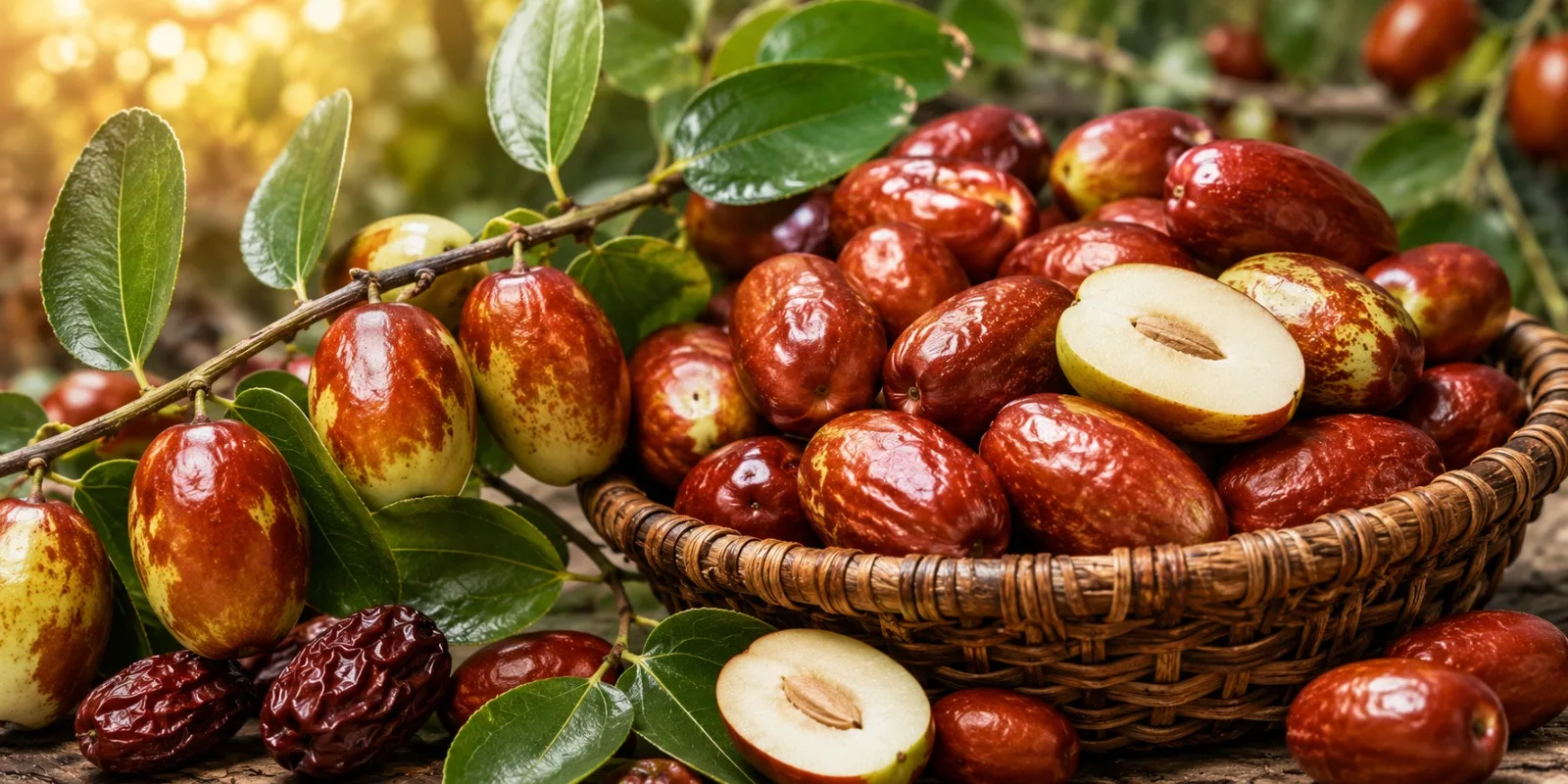
Pick up a fresh žižole and hold it in your palm. It feels small, almost unremarkable. Reddish-brown, smooth, about the size of an olive. But bite into one and you taste something that millions of people across China, Croatia, Italy, and the Middle East have known for over 4,000 years: a fruit with a deep, apple-honey sweetness and a history more fascinating than almost anything in your fruit bowl.
Žižole, also called the jujube fruit, is one of the oldest cultivated fruits on earth. It packs more vitamin C per 100 grams than many citrus fruits, carries bioactive compounds studied by researchers in countries from Iran to Japan, and holds a place in cultural traditions spanning weddings, harvests, and ancient medicine. This guide covers everything you genuinely need to know.
What exactly is Žižole?
Žižole is the Mediterranean and Balkan name for the fruit of the Ziziphus jujuba tree, a member of the buckthorn family Rhamnaceae. In English-speaking countries, the same fruit goes by jujube or Chinese date. In India it is called “ber” or “elanthai,” in Japan “natsume,” and in China “da zao” or “zao.” Each name reflects a different culture’s long relationship with the same small, resilient fruit.
The tree itself is a medium-sized deciduous species, growing between 5 and 10 meters tall. Its branches carry sharp spines and small, shiny leaves. In early summer, clusters of tiny green or white flowers appear. By late September and October, those flowers have become ripe fruits, turning from green to yellow, then to the characteristic reddish-brown that signals peak sweetness.
When you first eat a fresh žižole, the texture surprises you. It has a firm, apple-like crunch with a thin, edible skin. The flesh is white and mildly sweet. As the fruit dries and wrinkles naturally on the tree or in the sun, the flavor deepens into something closer to a date, rich and chewy with concentrated sugars.
The Ancient History of Žižole Across Civilizations
From China to the Silk Road
The history of žižole stretches back more than 4,000 years, beginning in China where the fruit was first systematically cultivated. Ancient texts from the Han Dynasty describe žižole as both food and medicine, used specifically to address sleep, digestion, and immunity. By the time the Silk Road opened trade routes between East and West, jujube trees were already deeply embedded in Chinese culture, symbolizing prosperity, fertility, and good health.
Traders and travelers carried the seeds and fruits westward into Persia and the Middle East. In the Middle East, jujube syrups and pastes became common for both culinary and medicinal purposes. Persian physicians wrote about the fruit’s calming effects. Arab traders prized it for long journeys.
How Žižole Arrived in the Mediterranean
From the Middle East, the jujube tree found its way into the Mediterranean basin, carried by merchants, monks, and migrants over centuries. The Roman Empire adopted it enthusiastically, planting trees throughout Southern Europe. In countries like Italy, Croatia, and Slovenia, žižole trees were planted in courtyards as symbols of prosperity and good health.
In the Dalmatian coast of Croatia and the coastal regions of Italy, the climate proved perfect: hot summers, mild winters, and well-drained rocky soil. The fruit thrived and became woven into local identity. Even today, older generations in Croatian villages remember grandparents harvesting žižole from garden trees every September and October, drying them in the autumn sun for the winter months ahead.
The Italian Connection Worth Knowing
There is one piece of cultural evidence that shows just how deeply žižole sank into Italian life. The Italian expression “andare in brodo di giuggiole” literally means “to go into jujube broth,” and it describes the feeling of being overjoyed. The happiness associated with žižole syrup became the reference point for pure delight. Few fruits earn their way into a language’s idioms.
Žižole Nutrition: What’s Actually Inside This Small Fruit
The scientific case for žižole is built on a surprisingly dense nutritional profile for a fruit this small. Researchers publishing in the Journal of Agricultural and Food Chemistry identified the main biologically active components as vitamin C, phenolics, flavonoids, triterpenic acids, and polysaccharides, with demonstrated biological effects including anticancer, anti-inflammatory, antiobesity, immunostimulating, antioxidant, and gastrointestinal protective activities.
Here is what a 100-gram serving of fresh žižole delivers, according to USDA data:
| Nutrient | Amount per 100g | Notes |
| Calories | 79 kcal | Low-calorie snack |
| Vitamin C | 69 mg | 115% of daily value |
| Carbohydrates | 20 g | Mostly natural sugars |
| Dietary Fiber | ~1.5 g | Supports gut health |
| Potassium | ~250 mg | Cardiovascular support |
| Calcium | ~21 mg | Bone density |
| Iron | ~0.5 mg | Red blood cell production |
| Glycemic Index | 27 | Low GI despite sweetness |
Some cultivars show vitamin C content ranging from 200 to 600 mg per 100 grams of fresh weight, and jujube had the highest cyclic adenosine monophosphate content among 200 fruit species tested. That variability depends heavily on the cultivar, growing region, and ripeness at harvest.
Why the Low Glycemic Index Matters
Most people assume that sweet fruits spike blood sugar. Žižole breaks that rule. Despite its natural sweetness, the glycemic index sits at just 27, which is considered low. Although naturally sweet, žižole contains fiber which helps regulate glucose absorption, supporting blood sugar regulation and contributing to a healthier metabolism and lipid profile. For someone watching their glucose levels, this makes žižole a far more intelligent snack than processed sweets or many tropical fruits.
Proven Health Benefits of Žižole
Immune System Support
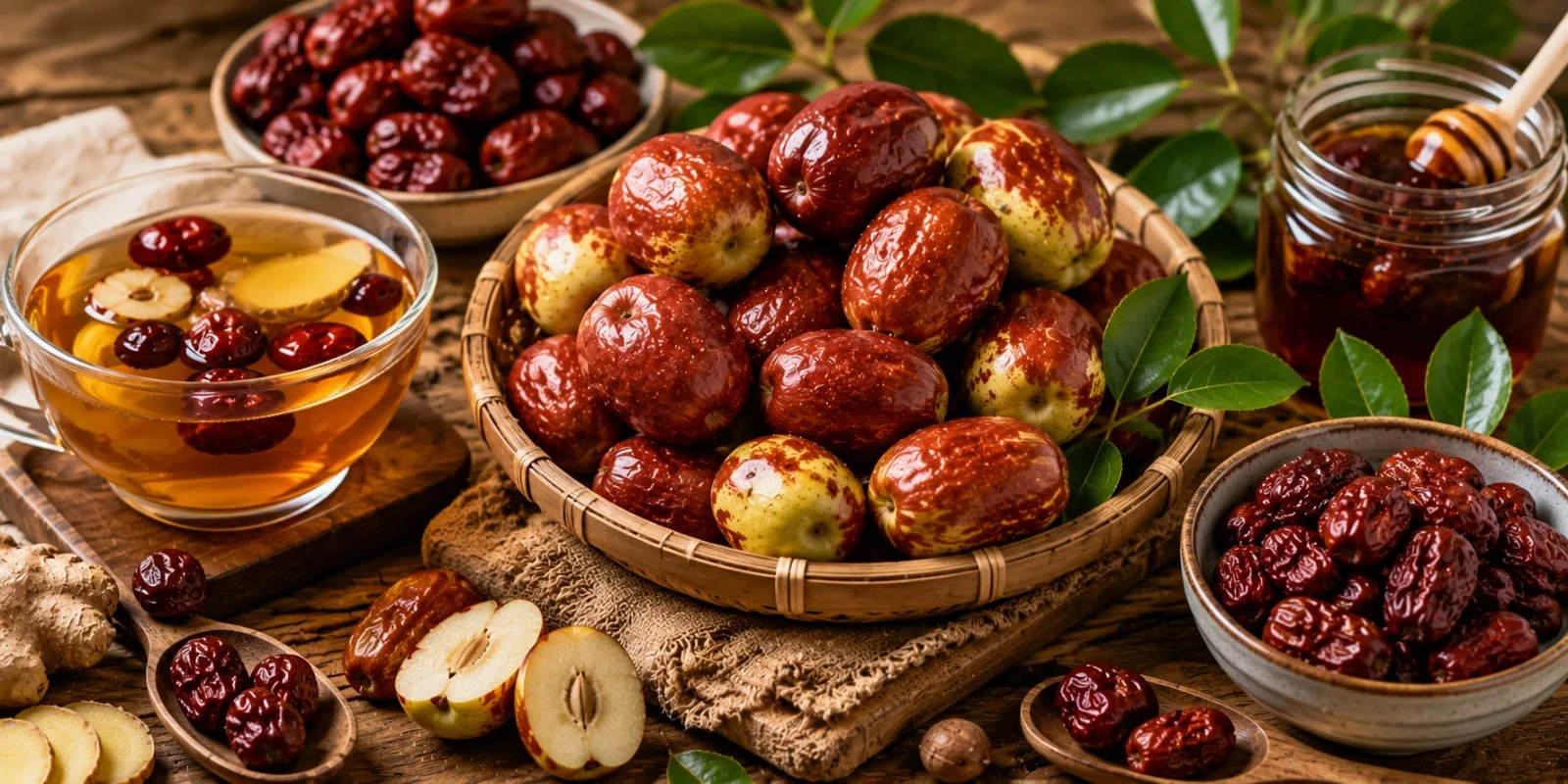
Fresh jujube stands out as an excellent source of vitamin C, providing around 69 mg per 100 grams, meeting 115% of the daily recommended intake. Vitamin C, a potent water-soluble antioxidant, combats harmful free radicals and aids in connective tissue repair. Three fresh žižole fruits can meet the daily vitamin C requirements for most adults.
Better Sleep and Reduced Anxiety
This is arguably the most studied traditional use of žižole. Extracts from jujube seeds and fruits have been studied for their calming and sedative effects. While much of the data comes from animal studies, early human trials suggest possible benefits for anxiety relief and sleep improvement.
Scientific studies suggest that certain compounds in žižole, including saponins and flavonoids, may influence neurotransmitters related to relaxation. Drinking jujube tea made from dried žižole is still a popular traditional practice for evening relaxation.
If you have ever struggled to wind down at night, a cup of žižole tea brewed from a handful of dried fruits and a slice of ginger is something genuinely worth trying. Generations of people across three continents did not brew this tea by accident.
Digestive Health
Because žižole holds dietary fiber, it encourages healthy digestion. Fiber supports smooth bowel movements, reduces bloating, and feeds friendly gut bacteria. Traditional healers often used žižole as a soothing remedy for mild stomach discomfort.
Some studies also point to protective effects of jujube polysaccharides on the stomach lining. In traditional Mediterranean herbalism, žižole syrup was the standard home treatment for digestive upset, made by simmering the fruits slowly with water and a little honey.
Antioxidant Protection and Skin Health
Žižole contains flavonoids, phenols, and polysaccharides that combat oxidative stress. Multiple studies confirm significant antioxidant activity. These compounds work against the free radical damage that accelerates aging, chronic inflammation, and cellular breakdown.
Because žižole is rich in vitamin C, it plays a role in supporting collagen synthesis, which helps maintain skin elasticity and firmness. Collagen production depends heavily on vitamin C, which is why žižole has appeared in traditional beauty remedies from East Asia to the Adriatic for centuries.
Cardiovascular and Bone Support
The potassium content in žižole helps regulate blood pressure, while antioxidants prevent cholesterol buildup, reducing the risk of cardiovascular diseases. Potassium also counteracts the effects of excess sodium, making žižole a practical daily inclusion for heart health. Calcium, magnesium, and phosphorus in žižole additionally contribute to maintaining bone density, particularly important as people age.
What Science Still Needs to Establish
Honesty matters here. Most research on žižole and its bioactive compounds comes from laboratory and animal studies. Jujube fruit has been used in traditional medicine for over 3,000 years, but more research is needed to clarify its effects on people. The existing evidence is encouraging and consistent with traditional uses. But žižole is food, not medicine, and should be treated as a nutritional ally within a balanced diet rather than a cure.
Žižole in Traditional Medicine Around the World
Traditional Chinese Medicine (TCM)
In TCM, žižole or “da zao” holds one of the most important positions in the entire materia medica. China uses jujube in Traditional Chinese Medicine for calming the mind, improving sleep, and supporting digestion. It has been combined with goji berries, ginger, and various herbs in tonic formulas for thousands of years. Ancient Chinese physicians classified it as a “superior herb,” meaning safe for long-term daily use.
Ayurveda and Indian Traditional Medicine
In India, the fruit known as elanthai is used in Siddha and Ayurveda to aid digestion, boost immunity, and promote healthy skin. Indian varieties of the tree, known as Ziziphus mauritiana, are slightly different from the Chinese species but share many of the same beneficial compounds.
Mediterranean and Balkan Herbalism
In Bulgaria and the Balkans, the fruit is brewed into teas for colds, eaten for energy, and fermented into liqueurs and rakija. Along the Dalmatian coast, žižole tea has long been the first remedy for sore throats and persistent coughs during winter. Grandmothers who grew up on the Adriatic islands describe making the tea by boiling a handful of dried žižole in water for twenty minutes, straining the liquid, and adding honey.
Middle Eastern Remedies
In the Middle East, dried jujubes are often boiled in syrups to soothe sore throats. The concentrated syrup carries both the vitamin C content and the calming saponins into a form that coats the throat effectively, which explains why this remedy persisted across generations.
How to Eat Žižole: Fresh, Dried, and Cooked
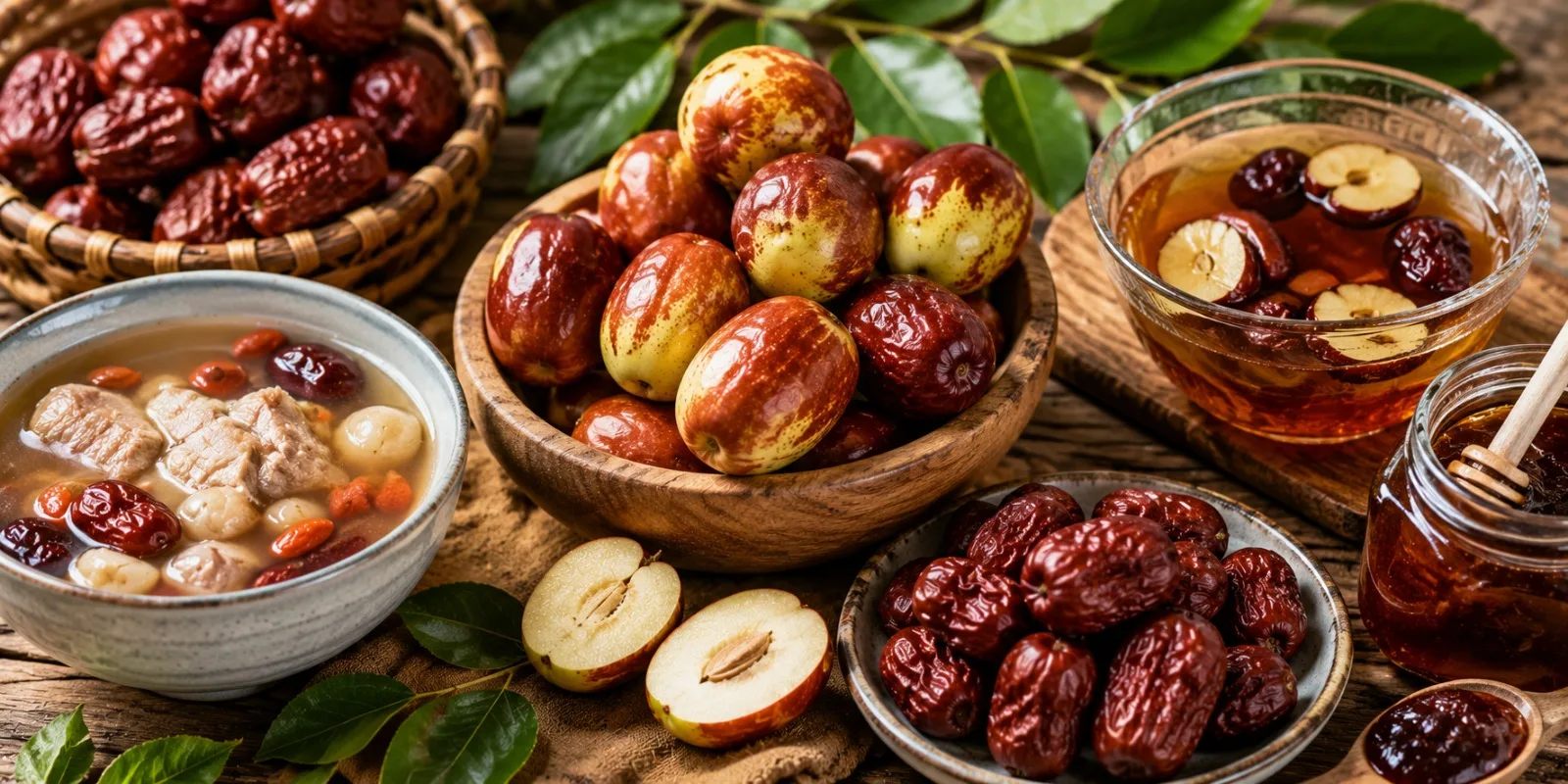
The versatility of žižole genuinely surprises people who encounter it for the first time. It is not a one-note fruit.
Fresh žižole tastes like a mild, sweet apple with honey notes. Eat them straight from the tree or bowl, rinsed and whole. They make an excellent snack at any time of day. At peak ripeness in late September, fresh žižole has a satisfying crunch and a natural sweetness that needs nothing added.
Dried žižole is a different experience entirely. The drying concentrates all the sugars and deepens the flavor into something reminiscent of dates or figs. They become chewy and rich, lasting for months in an airtight container. People in China add dried žižole to porridges, soups, and rice dishes. In the Balkans, they go into winter pantries to be brewed as tea or eaten as a snack.
Here are the most common culinary applications across cultures:
- Žižole tea: Simmer 8 to 10 dried fruits in 500 ml of water for 20 minutes. Add ginger, cinnamon, or honey. Drink warm before bed.
- Žižole jam (džem od žižula): A Croatian specialty made from ripe fruit boiled slowly with sugar and lemon. Used as a spread on bread or pastries.
- Žižole rakija: A Dalmatian fruit brandy made by macerating dried žižole in homemade grape spirit. Served to guests as a gesture of hospitality.
- Žižole syrup: Boil ripe fruit with sugar and water until thick. Used as a natural cough remedy or dessert topping.
- Dried žižole in baking: Added to bread, muffins, and rice cakes much like raisins. They contribute natural sweetness and chewy texture.
- Chinese red date soup: A savory-sweet broth made with pork ribs, ginger, goji berries, and dried žižole. A winter warming staple in Guangdong and Hong Kong kitchens.
The nutritional content changes significantly between fresh and dried. Fresh žižole retains more vitamin C. Dried žižole are calorie-denser and higher in natural sugars. Both have their place.
Žižole Cultural Traditions: More Than Just a Fruit
Croatia: Dalmatia’s Autumn Ritual
In Croatia, especially in Istria and Dalmatia, žižole are associated with the fall harvest and rural traditions. Families often gather to pick and share the fruit, and homemade žižole products are common at local markets and festivals.
The arrival of žižole season in Dalmatian towns is a community event. Vendors set out baskets of fresh fruit at markets along the Adriatic coast. Children pick them straight from neighborhood trees. Older residents measure the seasons by when the žižole ripen.
Villagers along the Adriatic coast have traditionally harvested žižole in September and October, when the fruits reached peak sweetness. This tradition continues today, with locals often serving fresh or dried žižole at autumn festivals.
China: Weddings, Fertility, and Good Fortune
In Chinese culture, jujube is considered a symbol of fertility and is often included in wedding ceremonies and traditional dishes. Its sweet taste and nourishing qualities make it a sign of good fortune and well-being. The Chinese character for jujube, 枣 (zao), appears in wedding blessings. A bowl of red dates placed in the bridal chamber is a traditional fertility symbol, the word zao sharing phonetic similarity with “early” in expressions wishing for children soon.
The Balkans: Rakija, Resilience, and Memory
Communities along the Dalmatian Coast are beginning to celebrate the fruit through festivals and other forms of cultural revival. Interest in heirloom and indigenous crops has grown significantly, bringing žižole back into conversations about food heritage and sustainable agriculture. For many families across Bosnia, Croatia, and Montenegro, žižole evoke specific childhood memories, of a grandparent’s kitchen, of an autumn afternoon in a garden, of something irreplaceable.
How to Grow Žižole at Home
The jujube tree is among the most forgiving plants a gardener can choose. It tolerates drought, poor soil, and neglect in ways that would kill most fruit trees. The tree can tolerate poor soils, requires minimal irrigation once established, and fruits are usually harvested in late summer or autumn.
Key growing requirements:
- Climate: Warm and dry. Thrives in USDA hardiness zones 6 through 9. Mediterranean, Middle Eastern, and similar climates are ideal.
- Soil: Well-drained. Sandy or loamy soils work well. Avoid waterlogged conditions.
- Sunlight: Full sun. At least six hours of direct sunlight daily.
- Watering: Water young trees regularly. Established trees need very little irrigation.
- Pruning: Annual pruning improves fruit yield and keeps the tree manageable.
- Harvest time: Late September through October in Mediterranean climates. Watch for the transition from green to reddish-brown.
- Container growing: Dwarf varieties can be grown in large pots, making them accessible to gardeners with limited outdoor space.
Once mature, a single tree can yield dozens of kilograms of fruit annually. The trees are resilient and long-living, often producing fruit for several decades. A well-established žižole tree in a Mediterranean garden is not just a food source. It becomes part of the landscape and, often, the family story.
Storing your harvest: Fresh žižole lasts about one week at room temperature and up to two weeks refrigerated. For long storage, dry them in the sun over several days or in an oven at low heat, then store in airtight containers where they keep for months.
Žižole vs. Other Superfruits: An Honest Comparison
The superfruit industry has marketed acai, goji berries, and pomegranate heavily over the past two decades. Žižole competes with all of them on nutritional grounds while offering something that trendy berries cannot: local availability across the Mediterranean and Asia, minimal processing requirements, and a far smaller carbon footprint for communities where the tree grows naturally.
| Feature | Žižole | Goji Berry | Acai |
| Vitamin C content | High (69mg/100g) | Low | Very low |
| Glycemic Index | Low (27) | Medium | Low |
| Local availability (Mediterranean) | Excellent | Poor | None |
| Traditional medicinal history | 4,000+ years | 2,000+ years | Limited in global use |
| Price | Low to moderate | High | High (imported) |
| Processing needed | None to minimal | Often dried | Always processed |
For people living in Southern Europe, the Balkans, or the Middle East, žižole offers superior nutritional value at a fraction of the cost of imported superfruits. For everyone else, dried žižole are increasingly available in Asian grocery stores, herbal retailers, and online marketplaces.
(FAQs) About Žižole
What is žižole?
Žižole is the Mediterranean and Croatian name for the jujube fruit, scientifically known as Ziziphus jujuba. It is a small, reddish-brown fruit with a sweet, apple-like flavor when fresh and a date-like chewiness when dried. The fruit has been cultivated for over 4,000 years across Asia, the Middle East, and Southern Europe.
What does žižole taste like?
Fresh žižole tastes like a cross between an apple and a date, mildly sweet with a firm crunch. As they ripen further and begin to wrinkle, the sweetness intensifies. Dried žižole have a deeper, richer flavor similar to dates or figs.
What are the main health benefits of žižole?
Žižole supports immune function through high vitamin C content, promotes better sleep through calming saponins and flavonoids, aids digestion through dietary fiber, protects against oxidative stress through antioxidants, and supports cardiovascular health through potassium. These benefits are grounded in both traditional use and published scientific research.
How much vitamin C do žižole contain?
Fresh žižole contain approximately 69 mg of vitamin C per 100 grams, which meets around 115% of the average daily recommended intake. Some cultivars contain significantly more, with recorded levels up to 600 mg per 100 grams.
Can you eat žižole every day?
Yes. Žižole are a food, not a supplement, and there are no known harmful effects from regular consumption at normal dietary amounts. People monitoring blood sugar should be aware that dried žižole are higher in concentrated natural sugars than fresh ones.
How do you make žižole tea?
Place 8 to 10 dried žižole in 500 ml of water. Bring to a boil, then simmer for 15 to 20 minutes. Strain, add honey or a slice of ginger if you prefer, and drink warm. This is the traditional preparation used across China and the Balkans for centuries.
Where can you buy žižole?
In Mediterranean and Balkan countries, fresh žižole appear at farmers markets in September and October. Dried žižole are available in Asian grocery stores, particularly Chinese and Korean supermarkets. Online herbal retailers carry both dried fruit and jujube extracts year-round.
Are žižole and jujubes the same thing?
Yes. Žižole, jujube, Chinese date, red date, and da zao all refer to the same fruit from the Ziziphus jujuba tree. The name varies by region, but the fruit and its properties are identical.
What is the glycemic index of žižole?
The glycemic index of fresh žižole is approximately 27, which is considered low. Despite their natural sweetness, the fiber content slows glucose absorption, making them a suitable snack even for people managing blood sugar levels.
Are žižole suitable for children?
Yes. Žižole are a natural, whole fruit with no known toxicity. They make a nutritious snack for children, offering vitamin C, fiber, and minerals without added sugars or artificial additives.
How do you store žižole?
Fresh žižole last about one week at room temperature and two weeks in the refrigerator. Dried žižole, stored in an airtight container in a cool, dry place, remain good for several months.
What is the difference between fresh and dried žižole nutritionally?
Fresh žižole are higher in vitamin C and lower in calories and sugar. Dried žižole are calorie-dense with concentrated natural sugars, making them more energy-rich. Both retain the antioxidant compounds and minerals, though some vitamin C is lost during drying.
Conclusion
Žižole is not a new discovery. It is a rediscovery. For most of human history, this small fruit was simply part of life in China, the Mediterranean, the Middle East, and South Asia. People ate it fresh in autumn, dried it for winter, brewed it into tea when they could not sleep, and made it into syrup when someone had a sore throat. Grandmothers knew its value before laboratories confirmed it. What makes žižole remarkable today is how well it holds up to scrutiny.
The vitamin C numbers are real. The low glycemic index is documented. The bioactive compounds are studied in peer-reviewed journals. And the cultural significance, from Croatian harvest festivals on the Dalmatian coast to Chinese wedding traditions in Beijing, adds a dimension that no synthetic supplement can replicate.
If you have access to fresh žižole in the autumn, eat them. If you can only find dried ones, brew them into tea. If you have outdoor space in a warm climate, plant a tree. Few fruits offer this combination of flavor, nutrition, history, and ease of cultivation. Sometimes the foods that have been around the longest are around for a very good reason.
For further reading on the botanical classification and global history of Ziziphus jujuba, see the relevant entry on Wikipedia.
Read More: Mabinogi Lazy Patch: The Brutally Honest Guide Every Player Desperately Needs