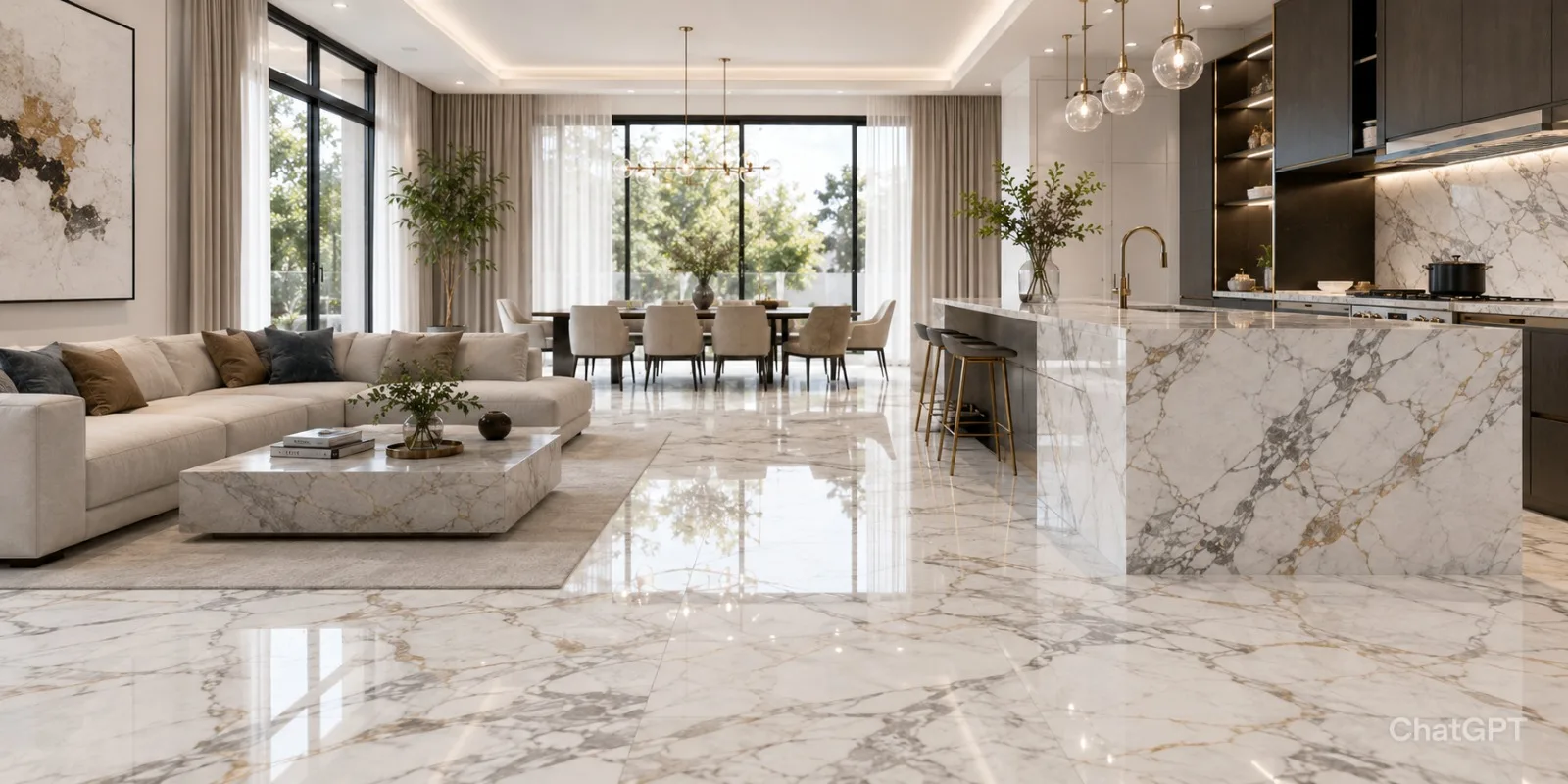
Marble has remained a popular choice for residential interiors because of its natural patterns, distinctive appearance, and ability to bring an elegant finish to everyday spaces. From polished kitchen countertops to carefully installed flooring, marble can change how a room looks and feels without relying on complicated decorative features. Its natural variations also mean that every slab has its own character, making it an appealing option for homeowners who want something different from standard manufactured surfaces.
However, the beauty of marble is only one part of a successful project. Marble installation also involves selecting the appropriate stone, preparing the supporting surface, choosing compatible setting materials, managing joints, and protecting the finished installation. These details influence how the stone performs over time and how much maintenance it will require.
A well-planned installation can make marble a valuable feature in kitchens, bathrooms, hallways, living rooms, and other areas of the home. It can create visual continuity, complement different interior styles, and provide a natural surface that can be maintained and professionally restored when necessary.
Marble is not completely resistant to scratches, stains, or acidic substances, and it should never be described as maintenance-free. Its long-term appearance depends on the type of stone, the location, the quality of installation, and the care it receives.
Here are seven important reasons sophisticated marble installation can transform your home’s surfaces, along with practical considerations to help you make an informed decision.
What Is Marble Installation?
Marble installation is the process of measuring, preparing, fitting, and finishing natural marble in a residential or commercial space. The stone may be supplied as tiles, larger slabs, countertops, stair components, wall panels, or custom-cut decorative pieces. Unlike some manufactured surfaces, natural marble comes from geological formations. Its colours, mineral patterns, veining, and surface characteristics develop naturally. As a result, two pieces from the same general stone variety may still have visible differences.
The installation process depends on the intended application. Marble flooring requires a suitable subfloor and carefully planned tile placement. Countertops need accurate measurements, appropriate support, finished edges, and correctly positioned cut-outs. Wall applications may require suitable mechanical support or installation systems depending on the size, weight, and location of the stone.
A professional installer considers these requirements before the stone is fixed in place. The aim is not simply to make the marble look attractive on installation day. It is to create a properly supported surface that suits the room and its everyday use.
1. Marble Installation Creates a Distinctive and Elegant Appearance
One of the biggest reasons homeowners choose marble is its natural visual appeal. Unlike surfaces with completely repeated printed patterns, marble has individual veining and colour variations that give it a distinctive appearance. These characteristics can make a room feel more refined without requiring excessive decoration. A marble floor, countertop, or feature wall can become a focal point while allowing other elements of the interior to remain relatively simple.
Natural Veining Adds Individual Character
Marble is available in a range of colours, including white, cream, grey, beige, green, and darker shades. Some varieties have delicate, subtle veins, while others feature bold lines and contrasting patterns. White marble with grey veining is often selected for contemporary interiors because it can create a bright and balanced appearance. Cream and beige varieties can complement warmer colour schemes, wooden furniture, and neutral walls.
Darker marble may provide a stronger contrast in spaces where homeowners want a more dramatic finish. The natural pattern also means that the finished result can differ from a small sample. For larger projects, homeowners should inspect several slabs or tiles before approving the material.
Marble Works as a Design Feature
Marble does not need to cover every surface to make an impact. A carefully selected kitchen island, bathroom vanity, fireplace surround, or entrance floor can introduce natural stone into a room without making the entire interior feel visually busy.
For example, a bathroom with simple wall colours and understated fittings may benefit from a marble vanity top. Similarly, a kitchen with plain cabinet doors can use a marble backsplash or island surface to introduce texture and natural movement.
The most successful designs consider the stone alongside cabinetry, flooring, lighting, wall colours, and other finishes. This creates a coordinated appearance rather than treating marble as an isolated decorative feature.
A Suitable Finish Changes the Overall Look
The finish selected for marble also affects its appearance. A polished surface reflects more light and creates a glossy finish. A honed surface has a smoother, more understated appearance with less shine. Neither finish is automatically suitable for every application. The right choice depends on the location, the desired appearance, the stone variety, and practical requirements such as slip resistance and cleaning.
Why it matters: Marble’s natural patterns and finish options give homeowners flexibility. A suitable selection can make a room feel more carefully designed while preserving the individual character of the stone.
2. It Brings Natural Material and Timeless Design Into the Home
Interior trends change, but natural materials continue to appeal to homeowners who prefer surfaces with visible texture and character. Marble can work in both traditional and contemporary interiors because its appearance is not limited to one decorative style. Its versatility is one reason it is used in different parts of residential properties.
Marble Complements Traditional Interiors
In traditional homes, marble can complement detailed woodwork, classic furniture, decorative mouldings, and warm lighting. Cream, beige, and softly veined varieties may work particularly well in rooms where the overall design focuses on warmth and established architectural details. A marble fireplace surround or entrance floor can provide a refined finish without requiring major changes to the rest of the room.
It Also Suits Modern Spaces
Contemporary interiors often use clean lines, open layouts, and a limited colour palette. Marble can add natural variation to these spaces while maintaining a relatively simple overall design. A large marble kitchen island, for example, can introduce texture into an otherwise minimal room. A marble bathroom wall can create visual interest without adding multiple decorative materials.
The key is choosing a pattern and finish that work with the room’s proportions. Very dramatic veining may become overwhelming when used across every surface, while a subtle variety can provide a more restrained appearance.
Natural Variation Makes Each Installation Different
Natural marble is not manufactured to have perfectly identical patterns. Veining and mineral characteristics vary between slabs, which means the layout needs to be planned carefully. For projects using multiple pieces, installers may arrange the material before fixing it to determine how the patterns will meet. Some homeowners prefer a consistent appearance, while others appreciate more visible variation.
Large installations may also use bookmatching, a technique in which adjacent slabs are arranged to create a mirrored pattern. This can produce an impressive feature, but it requires suitable material selection and careful planning.
Why it matters: Marble offers a combination of natural character and design flexibility. It can complement different interior styles without depending on a short-lived decorative trend.
3. Proper Marble Installation Provides a Durable Surface for Everyday Use
Marble is a natural stone that can serve as a long-lasting building material when the correct variety is selected and installed appropriately. Its suitability depends on the intended use, the stone’s characteristics, the supporting structure, and the conditions in the room.
It is important to understand that durability does not mean complete resistance to damage. Marble can scratch, chip, stain, or develop dull marks under certain conditions. Proper installation and realistic expectations help homeowners get better results from the material.
The Supporting Surface Matters
Before marble is installed, the supporting surface must be checked. Flooring requires a suitable substrate that is sufficiently stable, clean, and prepared for the selected installation method. If the supporting surface has movement, uneven areas, or unsuitable conditions, the finished stone may develop problems. These can include uneven tile edges, cracked pieces, loose sections, or issues with joints.
Countertops require a different type of preparation. Cabinets and support structures must be capable of carrying the weight of the stone. Cut-outs for sinks and appliances also need appropriate planning. The installation requirements should be determined by the stone supplier, setting-material manufacturer, and experienced installer rather than relying on one method for every project.
Correct Setting Materials Support Performance
The adhesive, mortar, grout, and other materials used during installation must be suitable for the specific stone and application. Some marble varieties, particularly light-coloured materials, may require moisture-controlled installation products to reduce the risk of unwanted discoloration. The installer should follow the recommendations for the selected stone and setting system.
Using an unsuitable product can affect the final appearance or performance. This is one reason experienced stone installers are important, especially for large floors, wet areas, and custom installations.
Professional Fitting Helps Reduce Installation Problems
Accurate measurements, suitable cutting techniques, correct joint spacing, and careful levelling all contribute to a better result. Installers also need to consider transitions between different flooring materials, door openings, stairs, edges, and changes in room level. These details may not be obvious in a photograph, but they influence how the finished surface functions.
Why it matters: Marble can provide a durable residential surface, but its performance depends on proper material selection and installation. Good preparation reduces avoidable problems and supports long-term use.
4. Marble Surfaces Can Improve the Visual Flow Between Different Rooms
A home often contains several types of surfaces, finishes, and decorative materials. If they are selected without a consistent plan, the overall interior can feel disconnected. Marble can help create a more coordinated appearance when it is used thoughtfully across different areas. This does not mean every room needs the same stone. Instead, homeowners can use related colours, finishes, or patterns to establish a visual connection.
Create a Coordinated Entrance
The entrance is often the first interior area visitors notice. Marble flooring can create a clear transition between the outside and the main living spaces. Light-coloured marble may help a compact entrance feel brighter, while a darker variety can create contrast with lighter walls. The choice should also consider practical factors such as dirt, moisture, footwear, and slip resistance.
Entrance flooring receives regular foot traffic, so suitable mats and routine cleaning are important.
Connect the Kitchen With Nearby Living Areas
Open-plan homes often combine kitchens, dining spaces, and living rooms. A marble island or countertop can become a visual link between these areas. Homeowners may also choose complementary flooring or decorative details to create a more consistent design. The stone does not have to match every other surface exactly. A shared colour family or similar finish can be enough to create harmony.
Use Marble Selectively in Bathrooms
Bathrooms provide several opportunities for marble installation, including vanity tops, wall panels, shower areas, and floors. Using the same or complementary stone in selected areas can create a coordinated appearance. However, bathrooms require careful attention to water management, waterproofing, drainage, and slip resistance.
The stone itself does not replace a properly designed waterproofing system. The installation must be suitable for the wet environment, and the finish should be selected with safety in mind.
Avoid Overusing One Material
Although marble can work across several rooms, using it everywhere is not always the best design decision. Too many large stone surfaces can make an interior feel visually heavy, particularly in smaller properties. A balanced approach may combine marble with timber, painted cabinetry, ceramic tiles, glass, or other materials.
Why it matters: A coordinated marble installation can help different spaces feel connected. Selective use often creates a more balanced result than covering every available surface.
5. Marble Installation Offers Versatile Options for Floors, Walls, and Countertops
Another advantage of marble is the range of applications available to homeowners. It can be cut into different shapes and sizes, allowing it to be used in both functional and decorative areas. The installation method and material specifications must still match the intended application.
Marble Flooring
Marble flooring is one of the most recognisable uses of natural stone. It can be installed in entrances, hallways, living rooms, selected bathrooms, and other suitable interior areas. Large-format tiles can create a relatively continuous appearance with fewer visible joints. Smaller tiles may offer more flexibility for detailed layouts or areas with complex shapes.
Before choosing marble flooring, consider the amount of foot traffic, the likelihood of moisture, the stone’s finish, and the maintenance requirements. A polished finish can look attractive, but it may become slippery when wet. For bathrooms and other moisture-prone locations, the suitability of the finish should be assessed carefully.
Marble Kitchen Countertops
Marble countertops are often chosen for their distinctive appearance. A well-selected slab can create an attractive focal point in a kitchen, particularly when paired with simple cabinets and suitable lighting. However, marble is sensitive to acids. Lemon juice, vinegar, and other acidic substances can react with calcium-carbonate-based stone and create dull marks known as etching.
Food preparation also introduces the possibility of staining from oils, coffee, wine, and strongly coloured ingredients. Homeowners considering marble countertops should understand these characteristics before choosing the material. Cutting boards, coasters, prompt spill cleanup, and appropriate cleaning products can help protect the surface.
Bathroom Vanities and Wall Panels
Marble can be used for vanity tops, wall cladding, and selected shower applications. It provides a natural appearance that works well with glass, metal fittings, and neutral colour schemes. For wet areas, the complete installation needs to be planned. This includes the substrate, waterproofing, joints, drainage, compatible setting materials, and the stone finish.
A professional should confirm that the selected marble is suitable for the intended location.
Staircases and Decorative Features
Marble can also be used for stair treads, risers, fireplace surrounds, window sills, and other architectural details. These applications require accurate measurements and appropriate support. Staircases also need attention to edge details, surface finish, and slip safety.
Why it matters: Marble can be adapted to several residential applications. Homeowners can choose where it provides the most value rather than limiting it to flooring alone.
6. Correct Care and Maintenance Help Preserve Marble’s Appearance
Marble is not a maintenance-free material. Its natural characteristics mean that it needs appropriate cleaning and protection, particularly in kitchens, bathrooms, and high-traffic areas. The good news is that everyday care does not always require complicated equipment or expensive treatments. The most important step is using methods that are suitable for the particular stone.
Use Appropriate Cleaning Products
The Natural Stone Institute recommends using suitable neutral cleaners or mild cleaning solutions for natural stone. Acidic products, including vinegar and lemon-based cleaners, can damage calcareous stones such as marble.
A practical cleaning routine includes:
- Remove loose dust and dirt with a soft cloth or suitable dust mop.
- Clean the surface with a stone-safe neutral cleaner.
- Follow the cleaner manufacturer’s dilution instructions.
- Rinse away any remaining cleaning solution when required.
- Dry the surface with a soft cloth to reduce residue and water marks.
Avoid abrasive powders, rough scouring pads, and unapproved chemical cleaners. These products may damage the finish.
Clean Spills Promptly
Spills should be addressed as soon as possible. Blot liquids with a clean cloth instead of spreading them across the surface. This is particularly important for oils, coffee, wine, fruit juices, and other substances that may stain or etch marble. If a spill leaves a mark, do not immediately try a strong household cleaner. First identify whether the problem is a stain, surface etching, or another type of damage.
Different problems require different treatments.
Understand What Sealing Can and Cannot Do
Some marble surfaces benefit from an impregnating sealer, depending on the stone, application, and supplier recommendations.
A suitable sealer can reduce the rate at which certain liquids enter the stone. However, sealing does not make marble completely stain-proof.
It also does not prevent acid etching. A lemon juice spill may still affect the finish even when the stone has been sealed.
The Natural Stone Institute explains this distinction in its guidance on care and cleaning of natural stone and sealing natural stone countertops.
Protect Surfaces From Everyday Damage
Simple habits can reduce unnecessary wear:
- Use coasters under drinks.
- Place chopping boards on kitchen countertops.
- Use heat-protective mats under hot cookware.
- Place suitable mats near entrances to reduce tracked-in grit.
- Avoid dragging heavy objects across marble floors.
- Wipe bathroom surfaces regularly to reduce residue.
- Follow the supplier’s recommendations for the selected finish.
The exact care routine should be based on the marble variety and the products used during installation.
Arrange Professional Restoration When Needed
Minor surface issues and deeper damage are not always suitable for DIY repair. Etching, deep scratches, chips, and uneven polished areas may require professional stone restoration. A specialist can assess whether the surface needs honing, polishing, filling, or another treatment.
Why it matters: Regular, appropriate maintenance helps preserve the appearance of marble. Understanding its limitations also prevents homeowners from using cleaning methods that could cause avoidable damage.
7. Marble Can Support a More Personal and Potentially Valuable Interior Design
The final reason to consider marble installation is its ability to give a home a more individual appearance. Natural patterns, colour choices, finishes, and custom layouts allow homeowners to create surfaces that reflect their design preferences. This may also contribute to how potential buyers perceive a property, although marble does not guarantee a higher resale price.
Custom Details Create a More Personal Space
Marble can be cut and finished for specific areas rather than being used only in standard tile layouts.
Examples include:
- A kitchen island with a distinctive natural pattern.
- A bathroom vanity with a matching backsplash.
- A fireplace surround that complements the living room.
- A decorative entrance floor with a planned tile arrangement.
- Custom stair components that coordinate with nearby flooring.
These features can help make an interior feel more considered and distinctive.
Material Quality and Workmanship Matter
The final result depends on more than the name of the stone. Slab selection, thickness, finish, fabrication, edge details, and installation quality all influence the appearance. For example, a beautiful slab may not create the expected result if its pattern is poorly positioned or the joints are inconsistent.
Homeowners should review samples, inspect the actual stone where possible, and discuss the layout with the fabricator before approving the work.
Consider the Full Project Cost
Marble projects may involve more than the purchase price of the stone. Other costs can include:
- Measurement and site preparation.
- Transportation and handling.
- Cutting and fabrication.
- Adhesives, mortar, grout, and other setting materials.
- Edge finishing and cut-outs.
- Installation labour.
- Sealing, where recommended.
- Ongoing cleaning and maintenance.
- Future professional restoration if required.
The total cost depends on the stone variety, project size, location, design complexity, and labour rates.
A detailed quotation helps homeowners compare options more accurately.
Does Marble Increase Property Value?
Marble can contribute to an attractive interior, and well-maintained natural stone may appeal to some buyers. However, no material guarantees a particular increase in property value. The outcome depends on the local property market, the quality of the installation, the overall condition of the home, and buyer preferences. A practical approach is to choose marble because it suits the property’s design and intended use, rather than relying on an assumed financial return.
Why it matters: Marble offers opportunities for custom design and can contribute to a carefully finished interior. Its value should be judged through the complete project, including material, workmanship, maintenance, and suitability.
How to Choose the Right Marble for Your Home
Selecting the right marble is an important step before installation begins. A stone that looks attractive in a showroom may not be the most suitable choice for every room.
The following factors can help narrow down the options.
Consider the Location
Start by identifying where the marble will be installed. A bathroom floor has different requirements from a decorative fireplace surround. A kitchen countertop faces regular contact with food, liquids, utensils, and cleaning products, while an entrance floor receives foot traffic and outdoor dirt. The stone variety and finish should be selected according to these conditions.
Compare Colour and Veining
Marble comes in many natural colours and patterns. Consider how the selected stone will look beside cabinets, walls, flooring, lighting, and furniture. Ask to inspect larger samples or full slabs where possible. A small sample may not show the complete pattern or variation.
Check the Finish
Polished, honed, and other available finishes create different visual and practical results. Ask the supplier to explain the care requirements of the finish and whether it is appropriate for the intended application.
Discuss Maintenance Before Buying
Different marble varieties can have different absorption and maintenance characteristics. Ask the supplier which cleaning products are suitable and whether a particular sealer is recommended. Do not assume that every marble surface needs the same sealing schedule.
Request Professional Advice
An experienced stone supplier or installer can help assess whether a particular variety is appropriate for the project. This is especially useful for large-format flooring, wet areas, kitchen countertops, stairs, and complex wall installations.
What to Check Before Hiring a Marble Installation Professional
Even high-quality marble can produce disappointing results if the installation is poorly planned. Choosing an experienced professional is therefore an important part of the project. Before accepting a quotation, consider the following points.
Review Previous Work
Ask to see completed projects that are similar to yours. Look for consistent joints, neat edges, suitable transitions, and a clean overall finish. Photographs can provide an initial idea, but visiting a completed project may offer a better understanding of workmanship.
Confirm the Installation Method
Ask how the installer plans to prepare the substrate and which setting materials will be used. The method should be suitable for the marble variety and the intended application. The installer should also explain how moisture, movement, support, and joint details will be addressed.
Discuss Slab Layout and Pattern Matching
For larger projects, the placement of individual pieces can make a significant difference. Ask whether the installer will dry-lay or arrange the pieces before fixing them, particularly when the stone has strong veining or a pattern that needs to continue across adjoining sections.
Clarify the Scope of Work
A quotation should identify what is included. This may cover material supply, measurements, transportation, fabrication, installation, finishing, cleanup, and any recommended protective treatment. Clarifying these details helps avoid misunderstandings later.
Ask About Aftercare
The installer or supplier should provide care instructions for the actual stone and finish. These instructions should explain suitable cleaning products, spill management, sealing recommendations where relevant, and whom to contact if damage occurs.
Common Marble Installation Mistakes Homeowners Should Avoid
Planning carefully can help prevent several common problems.
Choosing Marble Only by Appearance
A stone may look beautiful but still be unsuitable for a particular application. Consider maintenance, moisture exposure, foot traffic, and acid sensitivity before making a decision.
Ignoring Subfloor Preparation
Installing marble over an unsuitable or unstable surface can lead to problems such as cracking, unevenness, or loose tiles. The supporting surface should be inspected and prepared before installation.
Selecting the Wrong Cleaning Products
Vinegar, lemon-based cleaners, and other acidic substances can etch marble. Abrasive products may also damage the finish. Use products recommended for the particular stone.
Assuming Sealing Prevents Every Type of Damage
A penetrating sealer can improve resistance to certain stains, but it does not prevent scratches or acid etching. Homeowners should understand what the selected treatment is designed to do.
Skipping Sample and Slab Inspection
Natural marble varies in colour and pattern. Relying on a small sample alone may lead to unexpected differences when the full installation is complete. Review the actual material whenever possible.
Selecting a Finish Without Considering Safety
A glossy finish may be attractive, but wet areas and staircases require careful attention to slip resistance and safe use. Discuss the suitability of the finish with the supplier and installer.
Is Marble Installation the Right Choice for Every Home?
Marble can be an excellent option for homeowners who appreciate natural stone and are comfortable with its maintenance requirements. However, it is not the right choice for every room, household, or budget.
A family kitchen with frequent food preparation may require more attention to spills and surface protection than a rarely used decorative counter. A bathroom floor may need a finish selected specifically for wet conditions. A high-traffic entrance may require regular cleaning to manage grit and wear.
Homeowners who prefer surfaces that require very little maintenance may want to compare marble with other materials, including porcelain and suitable engineered surfaces. The best decision depends on how the space will be used, what appearance the homeowner wants, and how much care they are prepared to provide.
A material should be selected for its overall suitability, not simply because it is popular or visually impressive.
Frequently Asked Questions About Marble Installation
1. How long does marble installation take?
The time required depends on the size of the project, the type of marble, the complexity of the design, and the preparation work. A small countertop installation may take less time than a large floor or bathroom project. Fabrication, transportation, substrate preparation, setting, and finishing can all affect the schedule. Ask the installer for a project-specific timeline.
2. Is marble suitable for kitchen countertops?
Marble can be used for kitchen countertops, but homeowners should understand its limitations. It is sensitive to acidic substances and may develop etching from lemon juice, vinegar, and similar products. It can also stain under certain conditions. Regular care, suitable cleaning products, and appropriate protective habits are important.
3. Does marble need to be sealed after installation?
Some marble surfaces benefit from an impregnating sealer, but the requirement depends on the stone, its finish, and the intended application. A sealer can improve resistance to certain stains, but it does not make marble completely stain-proof or prevent acid etching. Follow the recommendations of the stone supplier and sealer manufacturer.
4. What is the difference between polished and honed marble?
Polished marble has a glossy finish that reflects more light. Honed marble has a smoother, generally less reflective appearance. The choice affects the visual character of the surface and may influence how wear and marks appear. The most suitable finish depends on the application and the manufacturer’s guidance.
5. Can marble be installed in bathrooms?
Yes, marble can be used for bathroom floors, walls, vanity tops, and selected shower applications. However, the complete installation must be designed for a wet environment. Waterproofing, drainage, suitable setting materials, joint details, and slip resistance all need attention.
6. How should marble surfaces be cleaned?
Use a suitable neutral stone cleaner or a mild cleaning solution recommended for the marble. Avoid vinegar, lemon-based cleaners, abrasive powders, and unapproved chemicals. Follow product instructions, rinse where necessary, and dry the surface with a soft cloth.
7. Can scratches and etching be repaired?
Some minor surface problems can be improved through professional honing or polishing. Deeper scratches, chips, and more extensive damage may require specialist restoration. Etching is different from a typical stain because it changes the surface finish. A stone restoration professional can identify the problem and recommend the appropriate treatment.
8. Is marble flooring suitable for busy areas?
It can be used in suitable high-traffic areas, but the stone variety, finish, installation quality, and maintenance routine should be considered carefully. Grit and dirt can contribute to surface wear, so entrance mats and regular cleaning are useful. Ask an experienced installer to assess the location before choosing the material.
9. Is marble more expensive than other flooring materials?
The cost varies according to the marble variety, size, thickness, finish, availability, fabrication, and labour. Some marble options may cost more than standard ceramic or porcelain products, while prices vary across different markets. Compare the complete installed cost rather than looking only at the price per tile or slab.
10. Does marble increase a home’s resale value?
Marble may improve the appearance of a property and appeal to buyers who appreciate natural stone. However, it does not guarantee a higher resale price. Property location, market conditions, workmanship, maintenance, and the preferences of potential buyers all influence value.
11. Can marble be installed over existing flooring?
This depends on the condition, material, stability, height, and suitability of the existing floor. Installing marble over an unsuitable surface can create problems. A professional should inspect the substrate and confirm whether removal or additional preparation is necessary.
12. How can homeowners prevent marble from looking dull?
Use suitable cleaning products, remove spills promptly, reduce the amount of grit entering the home, and avoid abrasive materials. Acidic substances can create etching, which may require professional refinishing. The appropriate maintenance routine depends on the stone and its finish.
Final Thoughts
Sophisticated marble installation can transform a home by introducing natural patterns, elegant finishes, and versatile surfaces into everyday spaces. Whether used for flooring, countertops, bathroom vanities, staircases, or decorative features, marble offers design possibilities that can complement both traditional and contemporary interiors.
Its long-term performance, however, depends on more than appearance. The right stone must be selected for the intended location, the supporting surface must be prepared properly, and suitable installation materials and techniques must be used. Regular care is also important because marble can be affected by scratches, stains, and acidic substances.
The seven benefits discussed in this guide show why homeowners continue to consider marble for residential projects. Its natural character, design flexibility, and potential for custom applications make it an appealing material when chosen thoughtfully.
Before starting a project, compare available varieties, inspect the actual stone, discuss installation requirements with an experienced professional, and understand the maintenance involved. With realistic expectations and careful planning, marble can remain an attractive part of a home’s interior for many years.